
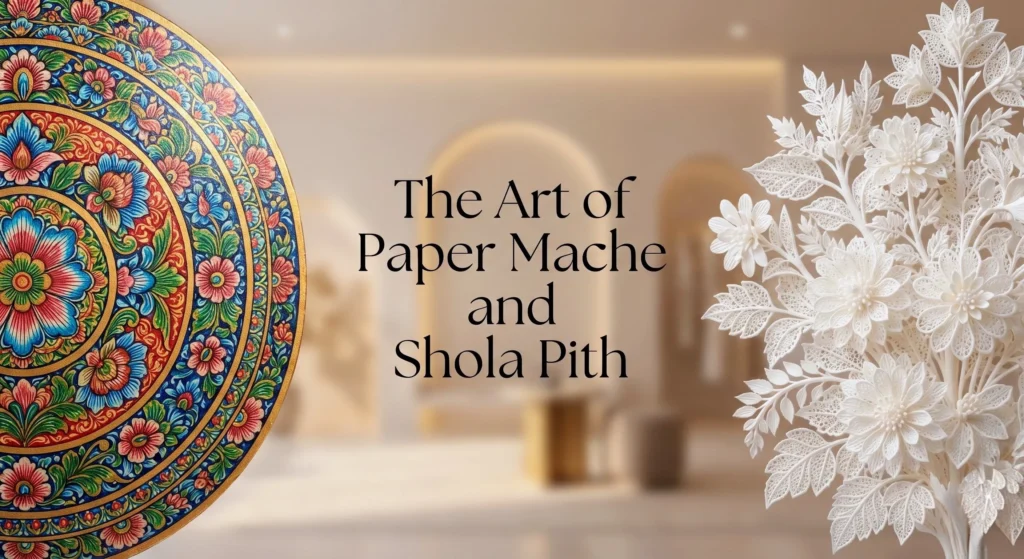
The Art of Paper Mache and Shola Pith: Unique Crafts for Global Boutiques
Discover the beauty of Indian paper mache decor and traditional Bengal shola pith crafts. Explore lightweight decorative art, handcrafted floral designs, cultural figurines and wholesale sourcing opportunities for international boutiques, interior designers and gift retailers.
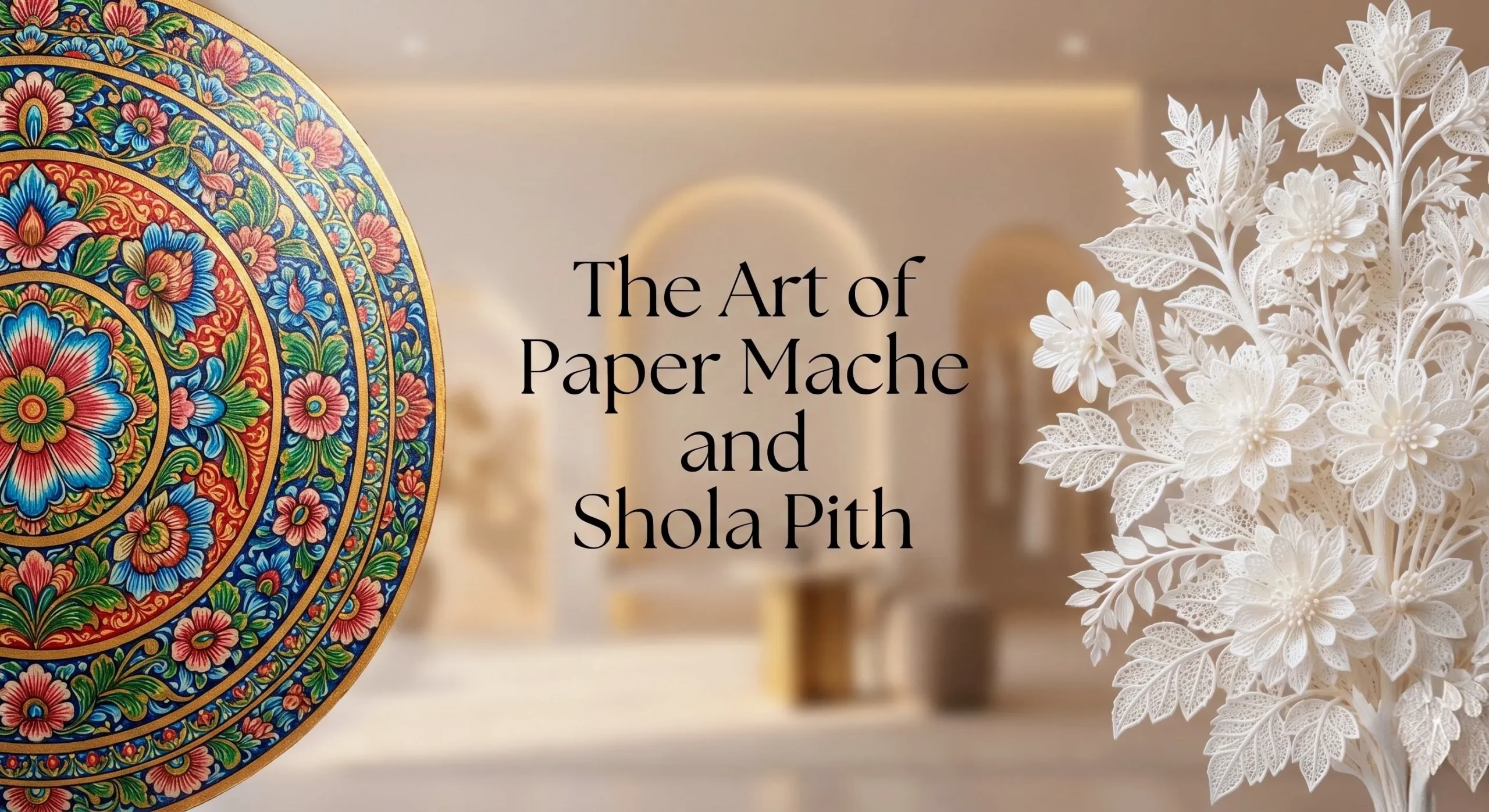
Imagine a beautiful white flower that looks delicate, a colourful decorative box painted by hand, or a small elephant sculpture made with careful artistic work. These are the kinds of objects that can make a home, boutique or gift shop feel special.
India is home to many traditional craft forms. Two interesting examples are Shola Pith craft from Bengal and Indian paper mache decorative art. Both turn simple materials into attractive decorative products, but they are made in very different ways.
Shola pith comes from the soft, lightweight inner part of a natural plant stem. Artisans shape it into flowers, figurines, ornaments and decorative objects. Paper mache, on the other hand, uses paper pulp or paper-based material that is shaped, dried and decorated to create bowls, boxes, vases and other decorative articles.
For international buyers, these crafts offer something beyond ordinary mass-produced home accessories: distinctive designs, cultural character, handmade details and opportunities for curated retail collections.
In this guide, we explore how these crafts are made, why global boutiques may find them interesting, how they can be sourced from India and what buyers should consider when planning wholesale orders.
Perumala Overseas, based in Kolkata, West Bengal, works as an Indian handicrafts exporter and international sourcing partner, connecting buyer enquiries with selected Indian product and sourcing opportunities.
Explore our wider Indian handicrafts collection to discover more product categories available for sourcing discussions.
What Is Shola Pith? The Magic White Plant from Bengal
Shola pith is a soft, lightweight natural plant material. Skilled artisans carefully cut and shape it into beautiful white decorative objects.
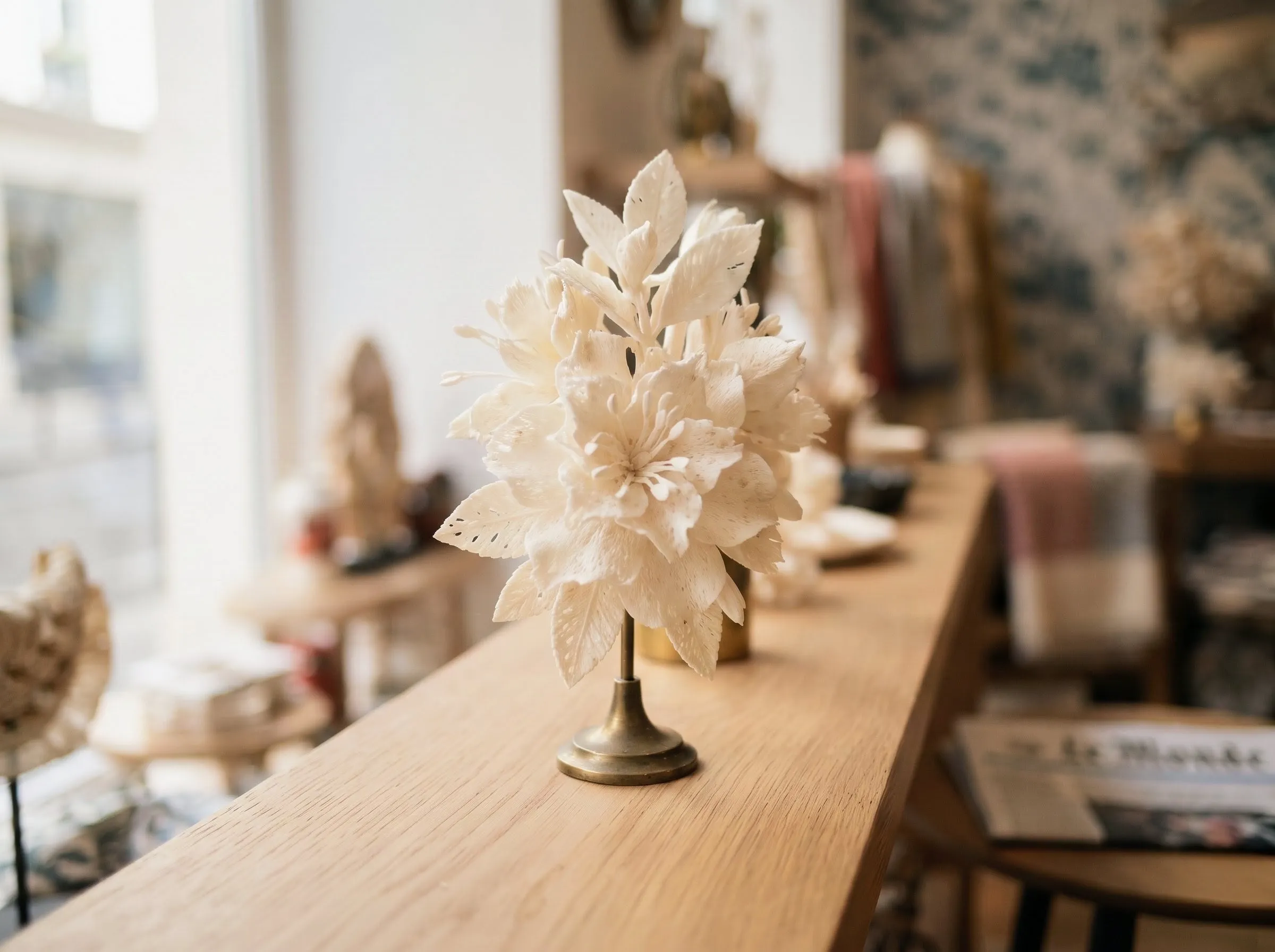
Where does shola pith come from?
Shola is a natural plant traditionally associated with wetland areas of eastern India, especially Bengal. The plant has a soft, pale inner portion known as shola pith.
Think of the soft inside of a plant stem. When prepared correctly, this material can be cut, carved and shaped by hand. Its naturally light colour makes it especially suitable for white decorative designs.
Artisans use simple tools and careful hand movements to turn the raw material into flowers, leaves, decorative borders, small figures and larger artistic arrangements.
How do artisans make shola pith crafts?
The process requires patience and a steady hand. Although the exact method varies according to the design and artisan tradition, the general process can be understood in a few simple stages.
1. Preparing the material
Suitable shola material is selected and prepared so that the soft inner portion can be used for craftwork.
2. Cutting and shaping
Artisans cut thin pieces and shape them into petals, leaves, decorative parts or figurine components.
3. Assembling the design
Individual pieces are carefully arranged and joined to create a flower, sculpture, ornament or decorative composition.
4. Finishing the craft
The completed object is checked and finished according to its intended appearance and presentation.
Why is shola pith so lightweight?
The inner material of shola is naturally soft and light. This gives finished craft pieces a delicate appearance without necessarily making them heavy.
Lightweight construction can be useful for decorative products that need to be transported over long distances. However, a light object can still be fragile. Thin petals, projecting parts and delicate ornaments need suitable protective packaging.
“Shola pith turns a simple natural plant material into delicate decorative art through careful cutting, shaping and the skill of the artisan.”
Perumala Overseas — Indian handicraft sourcing perspectiveWhat makes shola pith special for international buyers?
- Distinctive appearance: Its pale natural colour and delicate shapes can create an elegant decorative look.
- Lightweight construction: Many designs are light in weight, although the finished dimensions and fragility still matter for shipping.
- Handcrafted character: Hand-shaped details can give each piece an individual appearance.
- Cultural connection: Shola craft has a place in Bengal's traditional decorative and ceremonial craft heritage.
- Design flexibility: Artisans can create floral forms, ornamental objects and cultural figurines.
Buyers interested in this craft can visit our dedicated Shola Pith Decorative Craft page for product information and sourcing enquiries.
Why Global Boutiques Love Shola Pith Floral and Botanical Designs
Flowers and botanical shapes are popular decorative themes because they bring a soft, natural feeling into a room. Shola pith allows artisans to create these forms with a delicate white finish.
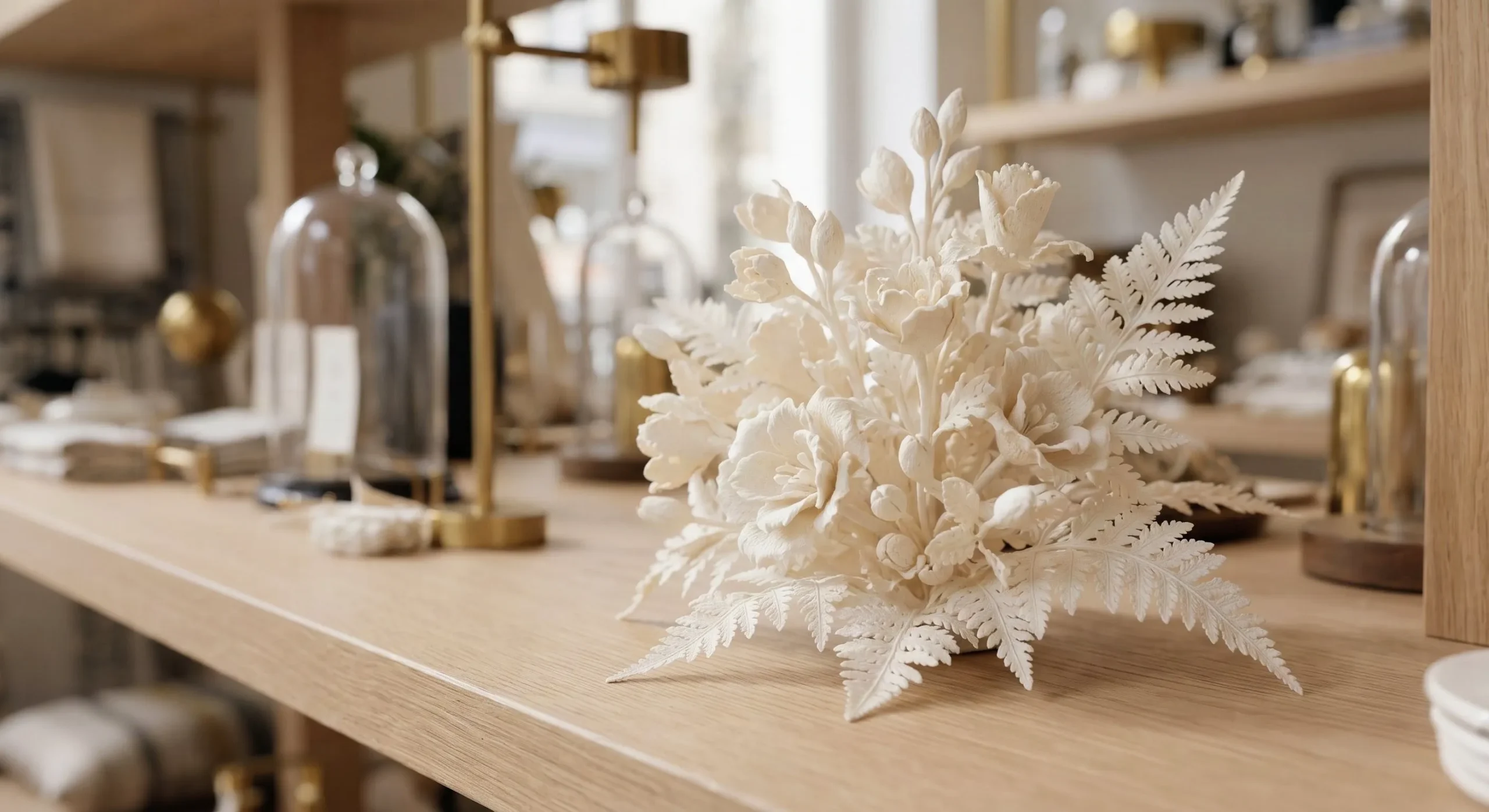
A flower made from shola pith is not simply a flower-shaped object. It is a small piece of hand-shaped craft. Each petal and leaf is prepared and arranged to create the overall form.
These decorative designs may appeal to boutique owners, floral stylists, gift retailers, event decorators and interior designers looking for distinctive accessories.
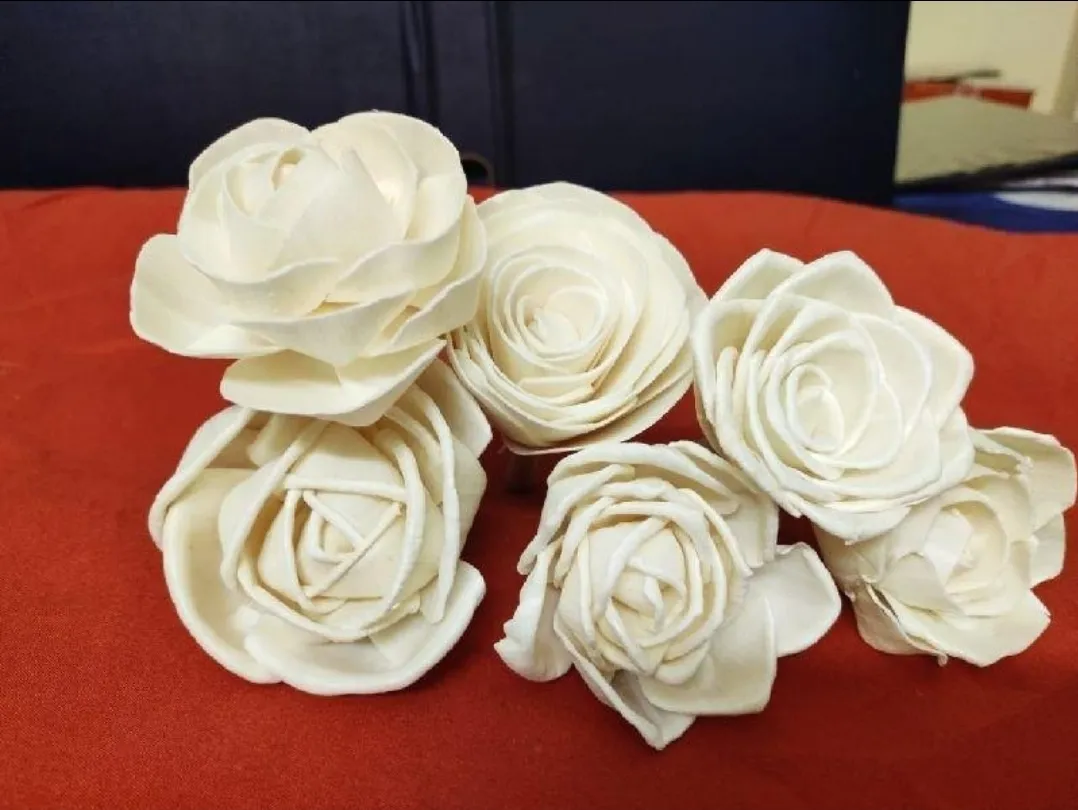
White roses with a handcrafted identity
A white rose design can bring a soft decorative touch to a gift display, boutique shelf, table arrangement or curated home accessory collection. The exact size, shape, finish and packaging should be confirmed for each buyer's order.
Where can boutiques use shola pith floral decor?
Home decor boutiques
Decorative floral arrangements can be displayed on shelves, consoles, tables and selected interior styling areas.
Gift and lifestyle stores
Floral craft pieces can become part of a distinctive gift range or a locally inspired decorative collection.
Event and wedding styling
Selected floral designs may be considered for decorative arrangements, subject to design suitability and handling requirements.
Interior design projects
Designers can explore botanical craft as an accent element for selected spaces and display concepts.
Why boutique buyers may prefer distinctive handmade products
Many retail businesses want their collections to feel different from products found everywhere. A traditional Indian craft can help create a more distinctive product story.
A boutique can explain where the craft tradition comes from, what material is used and how the object is shaped. This gives customers more context than a product description that only lists colour and size.
However, buyers should avoid making unsupported claims such as “100% sustainable,” “zero environmental impact” or “fully biodegradable” without appropriate evidence about the complete product and its finishing materials.
Wholesale design questions to confirm
- What floral design or botanical shape is required?
- What are the finished height, width and depth?
- Is the design intended for tabletop display, wall decoration or event styling?
- Does the buyer require a single design or a mixed collection?
- Are any additional colours, decorative details or packaging requirements needed?
- Will the product be sold individually or as part of a retail set?
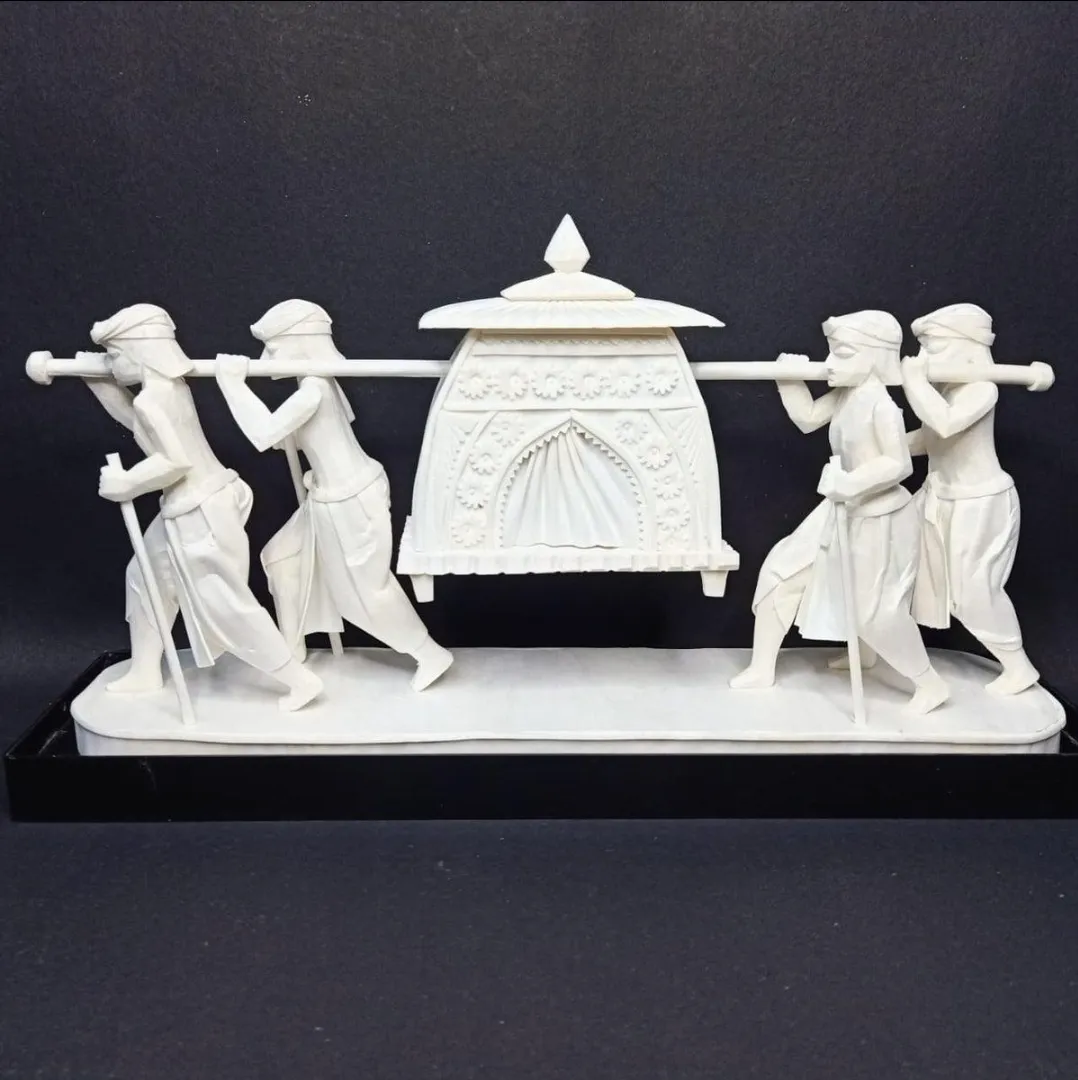
Master Artisan Heritage Showcase: Traditional Shola Pith Figurines
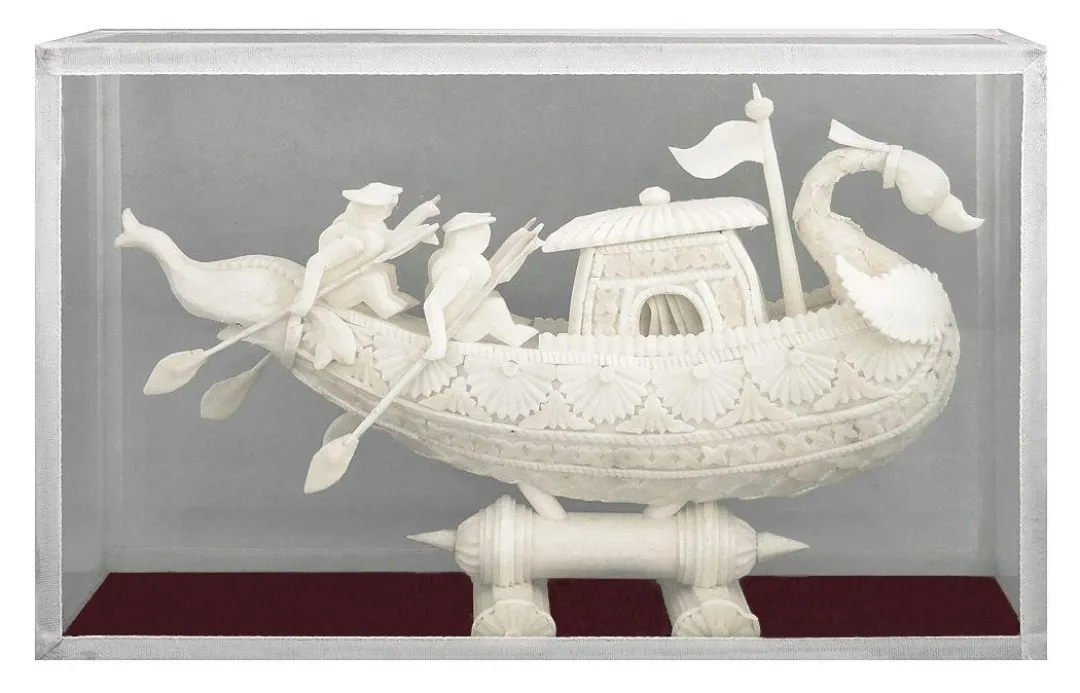
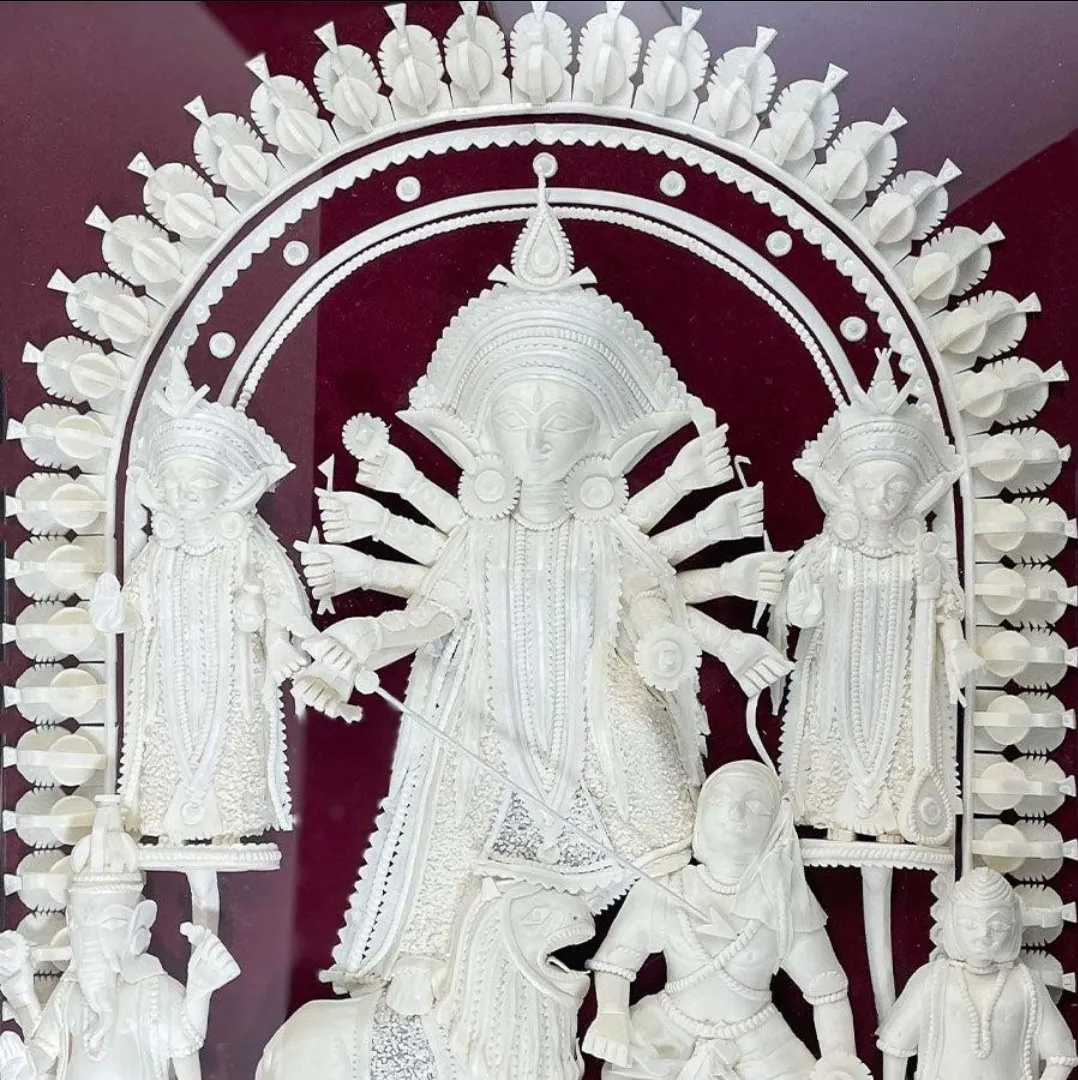
Shola pith is not limited to flowers. It can also be shaped into traditional figures, ceremonial designs and decorative scenes that reflect the artistic heritage of Bengal.
These pieces can be especially interesting for museum gift shops, cultural retailers, heritage-inspired boutiques and buyers looking for decorative objects with an Indian artistic connection.
A closer look at traditional decorative forms
The following showcase presents selected designs that demonstrate different forms of shola pith craft. Each design has its own visual character and may be considered for different retail or decorative purposes.
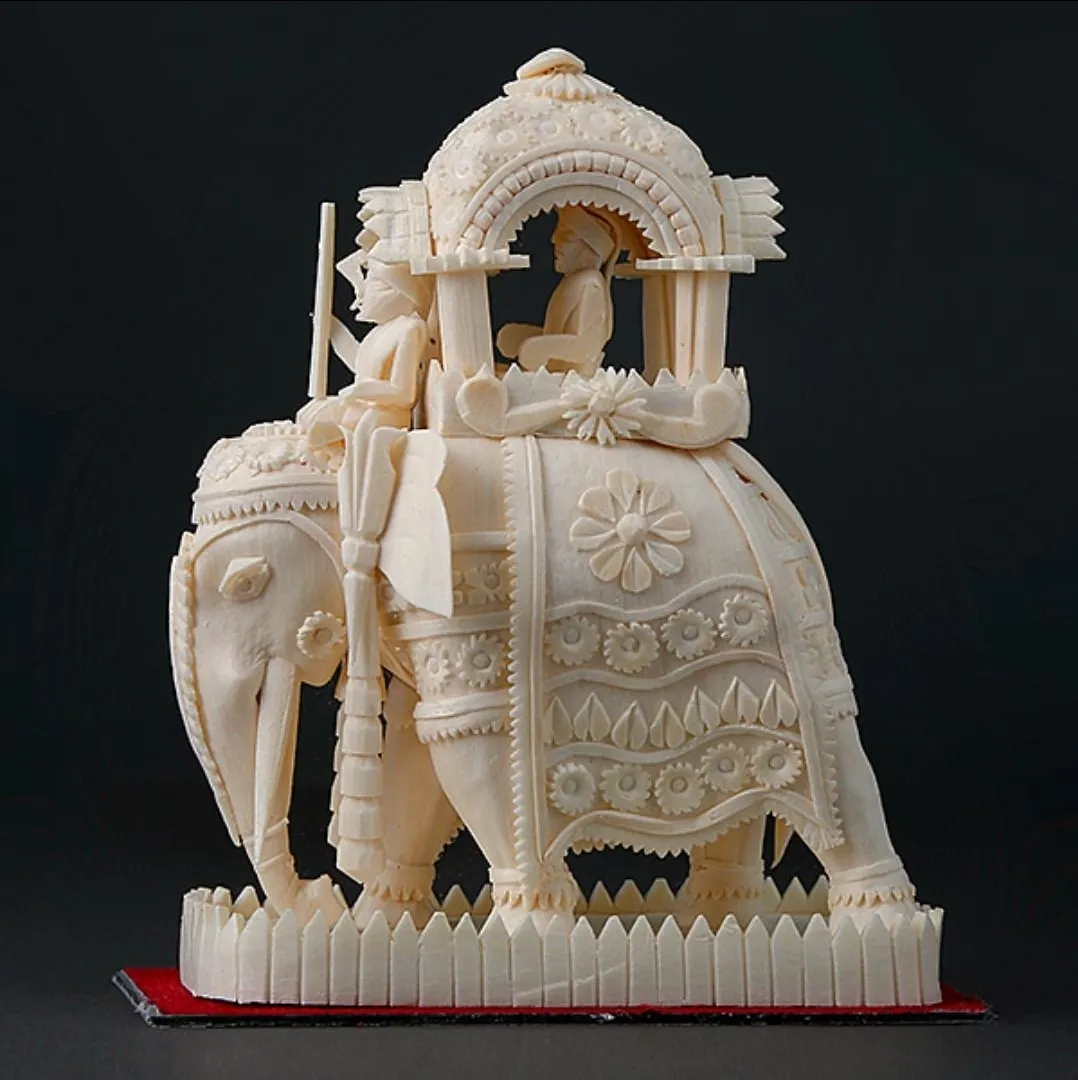
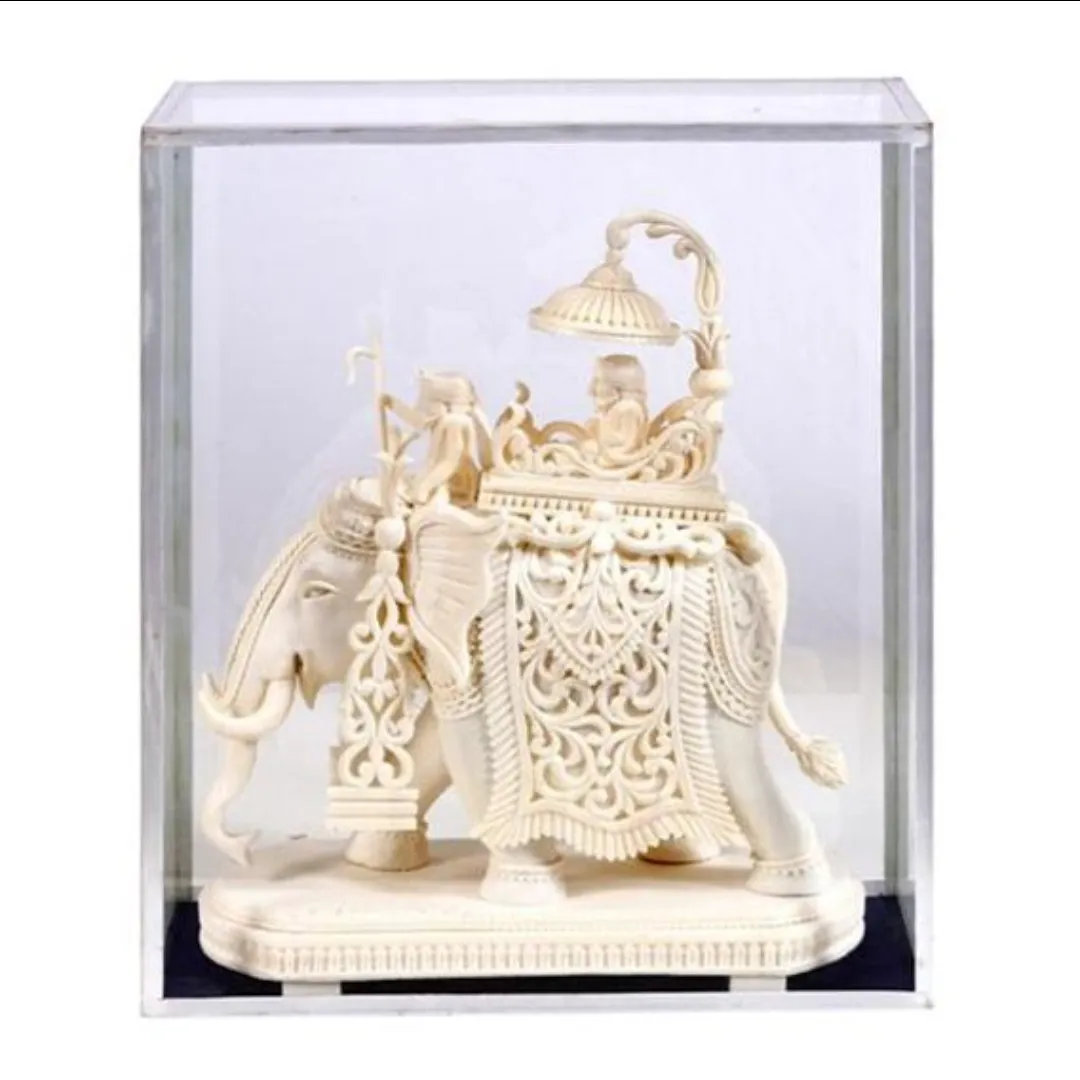
Royal elephant decorative sculpture
Elephant forms are recognised decorative motifs in many Indian artistic traditions. A shola pith interpretation brings together a familiar cultural symbol and the light, pale appearance of this craft material.
Buyers should confirm the sculpture's dimensions, delicate projections, finish and protective packing requirements before ordering.
Why cultural figurines appeal to specialist buyers
A cultural figurine can serve more than one purpose. It can be a decorative object, a gift, a conversation piece or part of a collection that introduces customers to a regional craft tradition.
- Museum and heritage shops: Selected traditional designs can complement collections focused on Indian art and culture.
- Gift retailers: Decorative figurines can be considered for special occasions and curated gift ranges.
- Interior boutiques: Sculptural forms can add character to selected display spaces.
- Cultural retailers: Traditional motifs can help tell a story about the region and craft tradition.
Important buying considerations for figurines
Detailed craft pieces may have delicate parts, including thin petals, ornamental projections, small figures and joined components. These details should be considered when selecting a design for wholesale distribution.
Buyers should request clear product photographs, dimensions and sample approval where appropriate. They should also discuss whether the product can be packed individually and how it will be protected during handling and transportation.
Explore the dedicated Shola Pith Decorative Craft collection for more information and product enquiries.
The Colorful Art of Indian Paper Mache
Paper mache is a craft technique that transforms paper-based material into decorative objects. The material is shaped, dried and finished with colour and artistic detail.
The name paper mache comes from a French expression meaning chewed or mashed paper. In simple terms, paper is softened and prepared so that it can be shaped into useful or decorative forms.
Depending on the regional technique, artisans may use paper pulp, paper strips, adhesives and other materials to create the body of an object. The exact method and composition vary between products and craft traditions.
How is paper mache made?
1. Preparing the paper
Paper is collected and prepared. In pulp-based methods, it is softened and broken down into a workable mixture.
2. Shaping the object
The prepared material is shaped using a mould or another suitable forming method to create the basic object.
3. Drying and finishing
The shaped piece is dried and prepared for surface finishing. Additional smoothing or preparation may be carried out.
4. Hand painting
Artisans apply colours, patterns, floral motifs and decorative details to give the finished object its character.
What makes Indian paper mache decor visually special?
Paper mache provides a surface that can be decorated in many different ways. Depending on the design and regional style, artisans may use bright colours, floral patterns, geometric forms, traditional motifs and detailed painted borders.
Gold, turquoise, red, blue and other colours can be used to create striking decorative effects. The exact colour palette and finish depend on the design and the artisan's technique.
The result can be a decorative bowl, vase, box, ornament or other home accessory with a distinctive hand-finished appearance.
Popular paper mache decorative product categories
Decorative bowls
Suitable for selected tabletop displays and decorative retail collections. Buyers should confirm whether a bowl is decorative or intended for functional use.
Decorative vases
Colourful vase forms can be considered for shelf styling, display arrangements and boutique home accessory collections.
Decorative boxes
Hand-painted boxes can be used as decorative storage or gift presentation items, depending on their construction.
Ornaments and figurines
Small decorative objects can be developed around floral, cultural, geometric or other artistic themes.
Why international boutiques may consider paper mache
A boutique's product range often needs variety. Paper mache can introduce colour and painted detail alongside the pale, delicate appearance of shola pith.
This gives retailers an opportunity to create a mixed collection of Indian decorative products with different visual styles and material characteristics.
For buyers looking for Indian paper mache decor, the most important points to confirm are the product's material composition, dimensions, finish, intended use, surface protection and packing requirements.
“Paper mache begins with paper-based material, but the final character comes from the artisan's hands, the shape of the object and the colours used to decorate it.”
Perumala Overseas — Indian handicraft collectionDecorative use versus functional use
This distinction is important for importers. A decorative bowl may look similar to a serving bowl, but that does not mean it is suitable for direct food contact. Similarly, a decorative vase may not be waterproof or suitable for holding water.
Buyers should confirm the intended use and any relevant surface coating or performance information before marketing a product for food contact, liquid holding or another functional purpose.
Discover our Paper Mache Decorative Articles page for product information and sourcing enquiries.
Feather-Light Shipping and Safe Export Packaging from Kolkata
Lightweight products can offer useful transport options, but international shipping costs depend on more than the weight shown on a weighing scale.
For international buyers, freight cost, cargo volume, packing dimensions and product protection all influence the final landed cost. This is especially important for decorative handicrafts that may be light in weight but have delicate shapes or take up considerable space.
Why lightweight crafts can be attractive for air freight
Air freight is commonly priced using either actual gross weight or volumetric weight, depending on the carrier's rules and the shipment arrangement. The chargeable weight is generally based on whichever figure is higher.
This means a large but lightweight carton may still attract a higher freight charge because it occupies valuable aircraft space.
Some shola pith and paper mache products may be relatively light compared with heavier decorative materials. However, their finished dimensions and the protective packing needed around them must be considered before calculating freight.
Simple example: actual weight and volumetric weight
Imagine a carton with the following outer dimensions:
- Length: 50 cm
- Width: 40 cm
- Height: 30 cm
- Actual gross weight: 4 kg
Using an illustrative air-freight volumetric divisor of 6,000:
Volumetric weight = (50 × 40 × 30) ÷ 6,000 = 10 kg.
In this example, the volumetric weight is higher than the actual gross weight. The shipment may therefore be charged using 10 kg rather than 4 kg, subject to the carrier's applicable rules and rounding method.
The divisor is only an example. Buyers should obtain the actual calculation method from their freight forwarder or airline.
Why protective packaging matters for handmade crafts
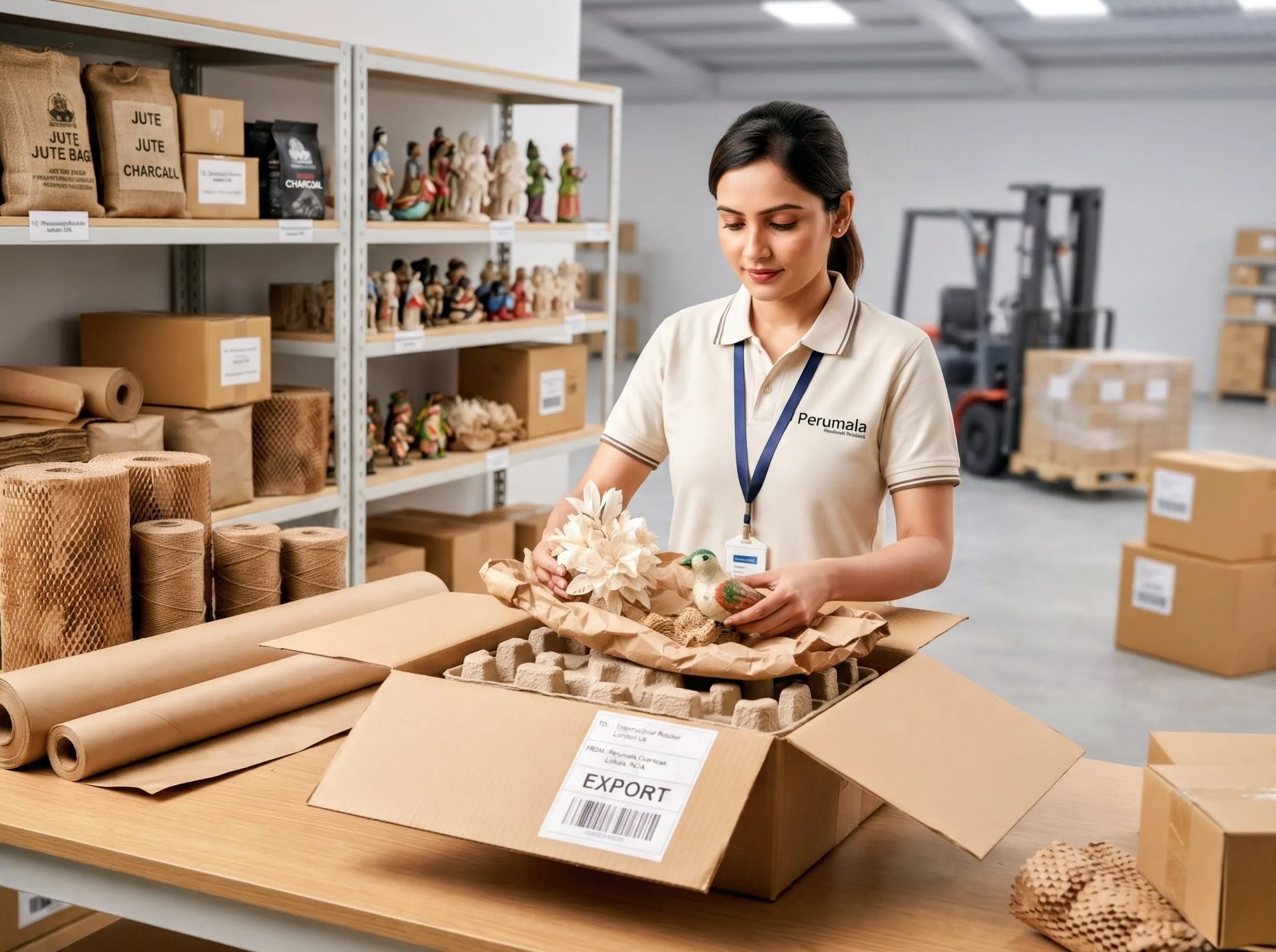
A lightweight decorative product can still break if it is crushed, rubbed against another item or exposed to rough handling. Shola pith flowers, figurines and detailed paper mache objects need packaging that protects their shape and surface.
Depending on the product, a suitable export packing plan may include:
- Individual wrapping or protective sleeves.
- Suitable cushioning around delicate parts.
- Internal partitions or dividers for multiple pieces.
- Strong corrugated cartons of suitable strength.
- Protection against movement inside the carton.
- Clear carton markings and handling instructions where appropriate.
- Moisture protection where the cargo and route require it.
How buyers can reduce unnecessary freight costs
The goal should not be to use the smallest possible carton at any cost. It should be to create a sensible balance between protection, carton dimensions and the number of pieces packed safely.
Export packing and freight checklist
- Confirm the exact dimensions of each finished product.
- Measure the final packed carton, not only the product itself.
- Calculate actual gross weight and estimated volumetric weight.
- Check whether individual product protection is required.
- Confirm the number of pieces per carton.
- Request packing photographs before dispatch where appropriate.
- Agree on carton markings, labels and handling requirements.
- Obtain a freight quotation using the final packing details.
Export coordination from Kolkata, India
Perumala Overseas is based in Kolkata, West Bengal, India. For international handicraft enquiries, the process involves understanding the buyer's product requirements, reviewing suitable sourcing possibilities and coordinating commercial and shipment-related details as agreed for the order.
The appropriate transport route, port, freight method and packing arrangement depend on the product, supplier location, destination country, shipment size and agreed delivery terms.
Buyers should confirm the final packing specification, shipping schedule, freight arrangement and export documentation before shipment confirmation.
How to Source Shola Pith and Paper Mache Crafts Wholesale from India
A clear enquiry helps an exporter understand exactly what the buyer wants. It also makes quotations, sourcing discussions and order planning more practical.
Step 1: Select your product category
Decide whether you are interested in shola pith flowers, botanical decorations, cultural figurines, paper mache boxes, decorative bowls or a mixed handicraft collection.
Step 2: Share your design and size requirements
Provide product photographs or reference designs wherever possible. Mention the required dimensions, finish, colours and intended retail use.
Step 3: Confirm quantity and order structure
Handcrafted products may have different sourcing and production conditions from factory-made products. The quantity per design, total order quantity and packaging requirements should be discussed before a commercial offer is finalised.
For Perumala Overseas handicraft enquiries, the preferred quantity is 250 pieces per design. Orders of 100 pieces per design can be considered when the combined order exceeds 500 pieces and meets the minimum shipment volume of 1 CBM. Final feasibility and commercial terms must be confirmed for the selected products.
Step 4: Discuss samples and approval
Where appropriate, request a sample or detailed photographs before confirming a larger order. Review the design, finish, dimensions, construction and packing method.
Step 5: Confirm commercial terms
Before placing an order, confirm the unit price, currency, payment terms, delivery term, packing details, estimated schedule and responsibilities of the buyer and exporter.
Step 6: Review export and destination requirements
The required documents depend on the product and destination. Buyers should confirm any applicable import restrictions, customs classification, packaging rules, material requirements and documentation with the relevant authorities or qualified advisers.
| Buyer requirement | Information to provide |
|---|---|
| Product selection | Shola pith, paper mache or mixed handicraft categories. |
| Design | Reference image, product name or design description. |
| Dimensions | Required height, width, depth and size tolerance. |
| Quantity | Pieces per design and total order quantity. |
| Packaging | Individual protection, carton quantity and labelling needs. |
| Destination | Country, delivery location and preferred shipping method. |
| Commercial terms | Currency, payment arrangement and preferred Incoterm. |
Explore more Indian handicraft categories
Buyers interested in building a wider Indian decorative product collection can also explore other categories available through our website:
- Indian Handicrafts Collection — explore the wider range of handicraft categories.
- Brass Decorative Ware — decorative brass articles for selected home and gift collections.
- Wooden Serving Boards — wooden home and serving accessories.
- Wooden Paddle Chopping Boards — wooden kitchen and homeware products.
- Wooden Puzzles and Table Games — selected wooden play and table game products.
- Jute Shopping Bags — reusable bag options for retail and promotional requirements.
- Promotional Jute Bags — jute bags for branding and corporate promotions.
- Jute Tote Bags — tote styles for retail and everyday carrying.
- Jute Wine Bottle Bags — bottle gift packaging options.
These links help buyers discover related products and make it easier to explore different Indian sourcing categories from one place.
Bringing Indian Craftsmanship to Global Boutiques
Shola pith and paper mache show how simple materials can become beautiful decorative products through traditional skills and careful handwork.
Shola pith is known for its soft, lightweight natural material and delicate white designs. Paper mache offers a different creative approach, using paper-based material to form decorative objects that can be finished with colourful patterns and painted details.
For international interior designers, boutique owners, gift retailers and museum shops, these crafts offer opportunities to explore distinctive Indian decorative collections.
Successful wholesale sourcing requires more than choosing an attractive photograph. Buyers should confirm the material, dimensions, finish, order quantity, packing method, freight calculation and destination-market requirements.
At Perumala Overseas, our approach is to understand the buyer's requirements and coordinate suitable Indian sourcing opportunities with clear commercial communication.
Key Takeaways for International Buyers
- Shola pith is a soft, lightweight natural plant material used in decorative craftwork.
- Paper mache uses paper-based material shaped into decorative articles and finished with artistic details.
- Both crafts can offer distinctive options for boutique home accessories and gift collections.
- Lightweight products may be suitable for air freight, but volumetric weight and protective packing affect the final cost.
- Fragile handmade items need suitable individual protection and strong export cartons.
- Buyers should confirm wholesale quantities, specifications, samples and commercial terms before order confirmation.
- Destination-market requirements and environmental claims should be checked rather than assumed.
Looking for Unique Indian Handicrafts for Your Business?
Are you an interior designer, boutique owner, gift retailer, museum shop buyer or international importer looking for shola pith crafts wholesale or Indian paper mache decor?
Connect with Perumala Overseas, Kolkata, and share your product requirements. Tell us which designs interest you, the quantity you need, your destination country and any special packaging or customisation requirements. We will review your enquiry and discuss suitable sourcing possibilities and commercial terms.